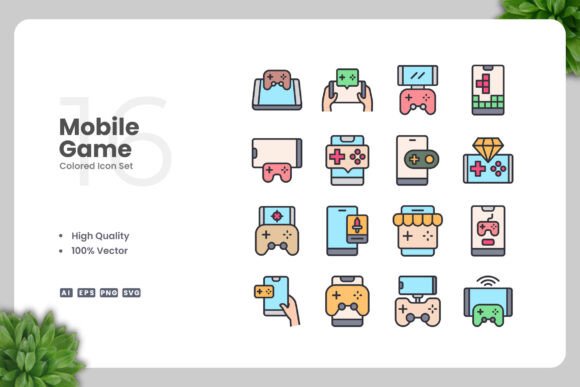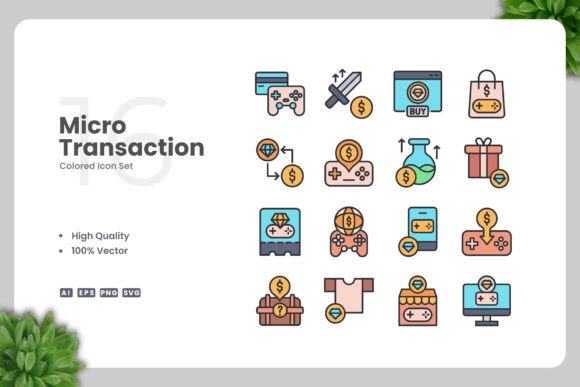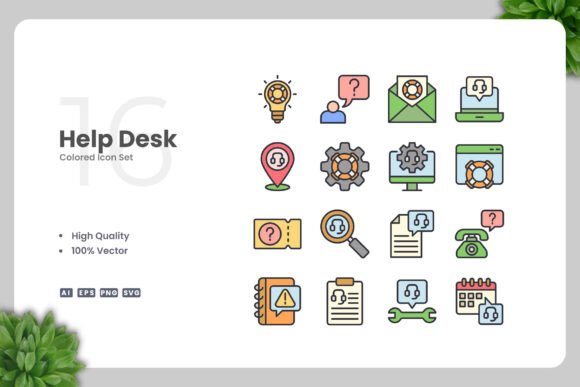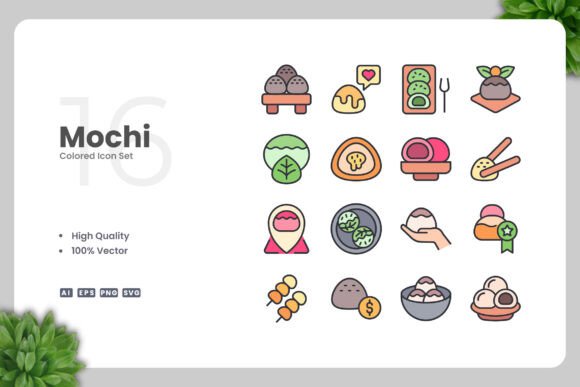
Mochi Colored Icons Embroidery Review
When I sit down to evaluate a new embroidery design, my first instinct is always practical. I don’t just look at the preview image; I think about the needle, the thread tension, and the fabric under the hoop. That is exactly how I approached Mochi Colored Icons. As an experienced designer who frequently creates assets for small businesses and personal gifts, I am always on the lookout for graphics that translate well from screen to stitch. This collection of Icons and Graphics promises simplicity and versatility, but does it hold up in real-world application? Let’s break down what this machine embroidery design brings to the table for crafters, Etsy sellers, and apparel decorators.
The First Impression: Clean Lines and Soft Appeal
The moment you open the file, the aesthetic of Mochi Colored Icons stands out for its restraint. In a market flooded with overly complex, dense designs that struggle to stitch cleanly, there is something refreshing about this approach. The shapes are simple, the lines are clean, and the visual personality feels modern yet approachable. It creates a mood that is soft, friendly, and uncluttered.
This isn’t a design that screams for attention through complexity; rather, it whispers with confidence. For those of us who value brand consistency and professional presentation, this kind of clarity is invaluable. It suggests that the original vector source was well-crafted, which is a huge plus because it means the curves are smooth and the angles are precise before they ever hit your machine. When I see a design described as "simple and clean," I immediately think about how easy it will be to edit. Since these are vector-based design assets, resizing them to fit different hoop size constraints should be straightforward, allowing you to adapt the design for everything from a tiny baby onesie to a large tote bag without losing integrity.
Real-World Application: From Screen to Stitch
To truly understand the value of Mochi Colored Icons, we have to imagine it in action. Let’s say you are preparing a custom order for a client who wants a personalized gift set. You decide to create a matching embroidered patch and a kitchen towel. The Icons here are versatile enough to serve as standalone focal points or as part of a larger patterned layout.
Imagine stitching one of these icons onto a cream-colored canvas tote bag design. Because the design is not overly dense, it likely won’t weigh down the fabric, keeping the bag flexible and usable. Now, picture the same icon placed on a dark navy sweatshirt. Here, the color contrast becomes critical. If you choose bright, contrasting thread colors, the clean lines of the icon will pop beautifully against the dark background. However, if you stick to tonal threads, the design takes on a more subtle, sophisticated look that appeals to adults looking for understated custom apparel.
I also see this design performing exceptionally well in the nursery decor space. A soft pastel version of these icons stitched onto a muslin blanket or a cotton burp cloth adds a touch of modern charm without being overwhelming. The simplicity of the graphic ensures that even when stitched in a smaller hoop size, the details remain recognizable. This is crucial for baby embroidery, where safety and clarity are paramount. Parents appreciate designs that are visually soothing, and the "mochi" aesthetic delivers exactly that—round, soft, and inviting shapes.
Versatility Across Product Categories
- Apparel Decorators: Use these icons on caps or hats. The clean geometry works well on curved surfaces, provided you use the right stabilizer to prevent puckering.
- Etsy Sellers: These are perfect for creating cohesive collections. You can mix and match different icons to create themed bundles for holidays or seasons.
- Craft Business Owners: Ideal for embroidered patches that can be ironed or sewn onto denim jackets, backpacks, or beanies.
- Digital Product Sellers: Since the source is editable, you can create mockups showing the icons in various colorways, offering buyers a glimpse of customization possibilities.
Where Caution Is Required
No design is without its challenges, and Mochi Colored Icons is no exception. While the simplicity is a strength, it can also be a trap if not handled correctly. When working with simple and clean design elements, every stitch counts. There is nowhere for errors to hide.
First, consider the fabric texture. If you plan to stitch these icons on a highly textured fabric like chunky knit wool or terry cloth, the fine details may get lost. The stitches might not lay flat, and the definition of the icon could blur. In such cases, a stable woven fabric is much safer. Similarly, thin fabrics like silk or lightweight rayon require a strong cut-away stabilizer to prevent the design from pulling or distorting the material.
Another area to watch is stretchy fabric. If you are embroidering these icons on a jersey t-shirt or leggings, the elasticity of the fabric can cause the design to warp after washing. Ensure you use a tear-away or water-soluble stabilizer during the process and test the washability of your thread choice. Dark fabrics present another variable; while high-contrast colors work well, low-contrast combinations might make the icon disappear into the background. Always test your thread colors on the actual fabric before committing to a full production run.
Practical Designer Notes for Success
Before you load your hoop and start stitching, there are several steps I recommend to ensure your finished product looks professional.
- Test on Scrap Fabric: Never assume a design will stitch perfectly on your final material. Always run a test stitch on a scrap piece of the same fabric and stabilizer combination.
- Check Stitch Density: Even simple designs can become too dense if the software defaults to heavy fill stitches. Review the stitch type to ensure a good balance of satin, fill, and running stitches for optimal clarity.
- Inspect Small Details: Zoom in on the digital file. Are any lines too thin to be represented by thread? If so, consider simplifying the design further or increasing the line weight.
- Use Proper Stabilizer: The right stabilizer is the backbone of a good embroidery job. Match the stabilizer weight to the fabric weight to prevent puckering or bubbling.
- Confirm Licensing: If you intend to sell finished items made with these designs, double-check the license terms. Some digital embroidery files are for personal use only, while others allow commercial sales of the physical goods.
Final Thoughts on Visual Appeal and Value
Ultimately, Mochi Colored Icons offers a high level of visual appeal with a low barrier to entry. Its clean aesthetic makes it easy to integrate into various branding strategies, whether you are selling handmade products on Etsy or decorating gifts for friends. The design’s ability to resize and change color easily adds significant value, allowing you to tailor the look to specific trends or customer preferences.
For the discerning designer, the true value lies in its reliability. It is a workhorse design that doesn’t demand excessive attention to detail to look good, yet it possesses enough character to stand out. Whether you are creating a single personalized gift or a batch of boutique merchandise, this collection provides a solid foundation for quality results. Just remember to respect the limitations of your materials and equipment, and you will find that these icons are a welcome addition to any embroidery library.