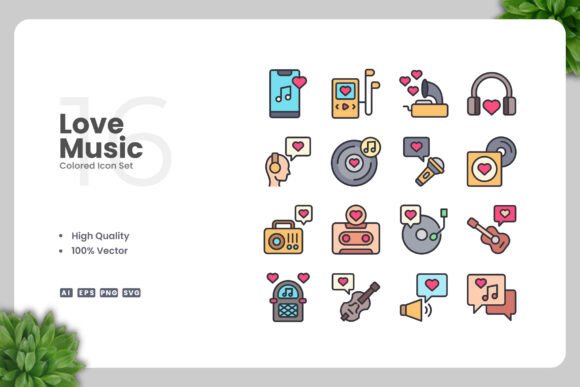
Love Music Colored Icons Review
As a designer who spends half my life staring at stitch charts and the other half trying to convince clients that embroidery is worth the premium price tag, I approach every new asset with a healthy dose of skepticism. The market is flooded with generic clip art masquerading as professional design files. However, when I first pulled up Love Music Colored Icons, I didn’t just see a collection of shapes; I saw potential for cohesive branding and heartfelt personalization. This isn’t just about stitching pretty pictures; it’s about creating products that resonate emotionally while maintaining technical integrity on the hoop.
The premise is simple: clean, vector-based music-themed graphics. But in the world of machine embroidery, "simple" is often where the magic happens—or where things go wrong if the details aren't considered. These icons are designed to be versatile, scalable, and easy to edit, which makes them a strong candidate for everything from boutique apparel to digital product previews. Here is my practical breakdown of how these designs hold up under real-world scrutiny.
First Impressions and Visual Personality
When you look at Love Music Colored Icons, the immediate takeaway is clarity. In embroidery, complexity can quickly become clutter. If a design has too many overlapping elements or overly intricate line work, it risks turning into a muddy blob after the needle does its work. These icons strike a balance that is rare to find. They possess a modern, minimalist aesthetic that feels current without being trendy in a way that will date quickly.
The "colored" aspect of the title suggests versatility in thread selection. Because they are vector soft-editable, you are not locked into a specific palette. This is crucial for custom apparel where brand consistency matters. Whether you are matching a client’s favorite band colors or coordinating with a nursery theme, the ability to adjust hues ensures the embroidery project fits seamlessly into the larger visual narrative. The mood created by these icons is upbeat, artistic, and accessible. It screams creativity, making it an ideal choice for craft business owners targeting musicians, music teachers, or anyone with a passion for the arts.
Real-World Application: From Concept to Finished Product
Let’s talk about where this design actually lives. Imagine you are preparing inventory for an upcoming craft fair or refreshing your Etsy listings. You have a stack of canvas tote bag design options ready to be embroidered. A cluster of small, colorful music notes or a stylized instrument icon placed near the zipper or on the side pocket adds a subtle touch of personality without overwhelming the utility of the bag. It transforms a plain accessory into a statement piece that speaks to the owner’s identity.
Consider also the realm of personalized gift items. A baby blanket or a onesie featuring these icons offers a gentle introduction to the world of music. For baby embroidery, simplicity is key. Intricate patterns can feel chaotic on small garments, but clean icons provide visual interest that remains legible even when stitched in softer, pastel thread colors. Similarly, for holiday embroidery, these icons can be repurposed for festive themes—perhaps using gold and red threads for a Christmas ornament or patch, leveraging the vector nature of the file to adapt quickly to seasonal demands.
For small shop product lines, such as aprons for home bakers who love jazz or kitchen towels for classical music fans, these designs offer high perceived value. They allow you to niche down effectively. Instead of selling a generic apron, you are selling a specialized item for a specific community. This specificity drives engagement and trust, as customers recognize their own interests reflected in the merchandise.
Technical Considerations and Potential Pitfalls
While the visual appeal is strong, any experienced embroiderer knows that what looks good on screen doesn’t always translate perfectly to fabric. When planning to use Love Music Colored Icons, there are several areas requiring careful attention.
- Hoop Size and Scale: These icons are best suited for medium to large hooping areas. Attempting to stitch them in very small hoop sizes can result in lost detail. If you are creating an embroidered patch or a logo for a cap, ensure the final stitch count allows for enough resolution. Tiny curves may flatten out if the scale is too aggressive.
- Fabric Texture and Stability: The performance of satin stitches and fill stitches depends heavily on the substrate. On textured fabrics like heavy denim or bouclé, fine details might get lost. On stretchy fabrics, such as those used in sweatshirt embroidery or athletic wear, proper stabilizer usage is non-negotiable. Without adequate support, the tension can pucker, distorting the clean lines that make these icons attractive.
- Thread Contrast: Because the design relies on clean shapes, low contrast between thread and fabric can make the design disappear. Always test your thread colors against your chosen material. Dark fabrics require light, vibrant threads, while light fabrics benefit from deeper, saturated tones to define the edges clearly.
- Dense Stitch Areas: If the icons include filled areas, check the stitch density. Overly dense areas can make the fabric stiff and uncomfortable, particularly on items like pillow covers or clothing worn directly against the skin. Adjusting the density settings in your software can help maintain softness without sacrificing definition.
Strategic Advice for Designers and Sellers
Before committing to production runs, I strongly advise running a series of tests. Create a physical sample on scrap fabric that mimics the texture and weight of your final product. Inspect the corners and curves of the icons to ensure they remain sharp. Additionally, convert your design to black and white in your editing software to check the silhouette. If the shape holds up well in monochrome, it will likely perform excellently in color.
For Etsy sellers and digital product sellers, consider offering mockups that showcase the versatility of these icons. Show them on different backgrounds, in various colorways, and applied to different products. This helps buyers visualize the potential of the design assets. Furthermore, verify the licensing terms carefully. While the description mentions ease of editing for web and print, commercial use for physical goods requires explicit permission. Ensure you have the right to sell finished items made from these files to protect your commercial embroidery business from legal issues.
Final Verdict
Love Music Colored Icons is a solid addition to any designer’s library, particularly for those focusing on lifestyle, music, or creative niches. Its strength lies in its adaptability and clean aesthetic, which translates well to a wide range of handmade product categories. By paying close attention to technical execution—hoop size, stabilizer choice, and thread contrast—you can leverage these icons to create professional, high-quality items that stand out in a crowded marketplace. It is a practical, visually appealing resource that supports both personal creativity and commercial growth.